
.jpg)

The Cayman Islands is one of the world’s leading offshore financial and legal centres, attracting lawyers from the UK, Ireland, Australia, Canada, and New Zealand seeking City-quality work in a tax-free environment. In 2026, demand remains strong across investment funds, corporate law, finance, litigation, and regulatory practice areas. Lawyers in the Cayman Islands benefit from high salaries, no personal income tax, and faster career progression, alongside an exceptional island lifestyle and strong international client exposure.
--------------------------------------
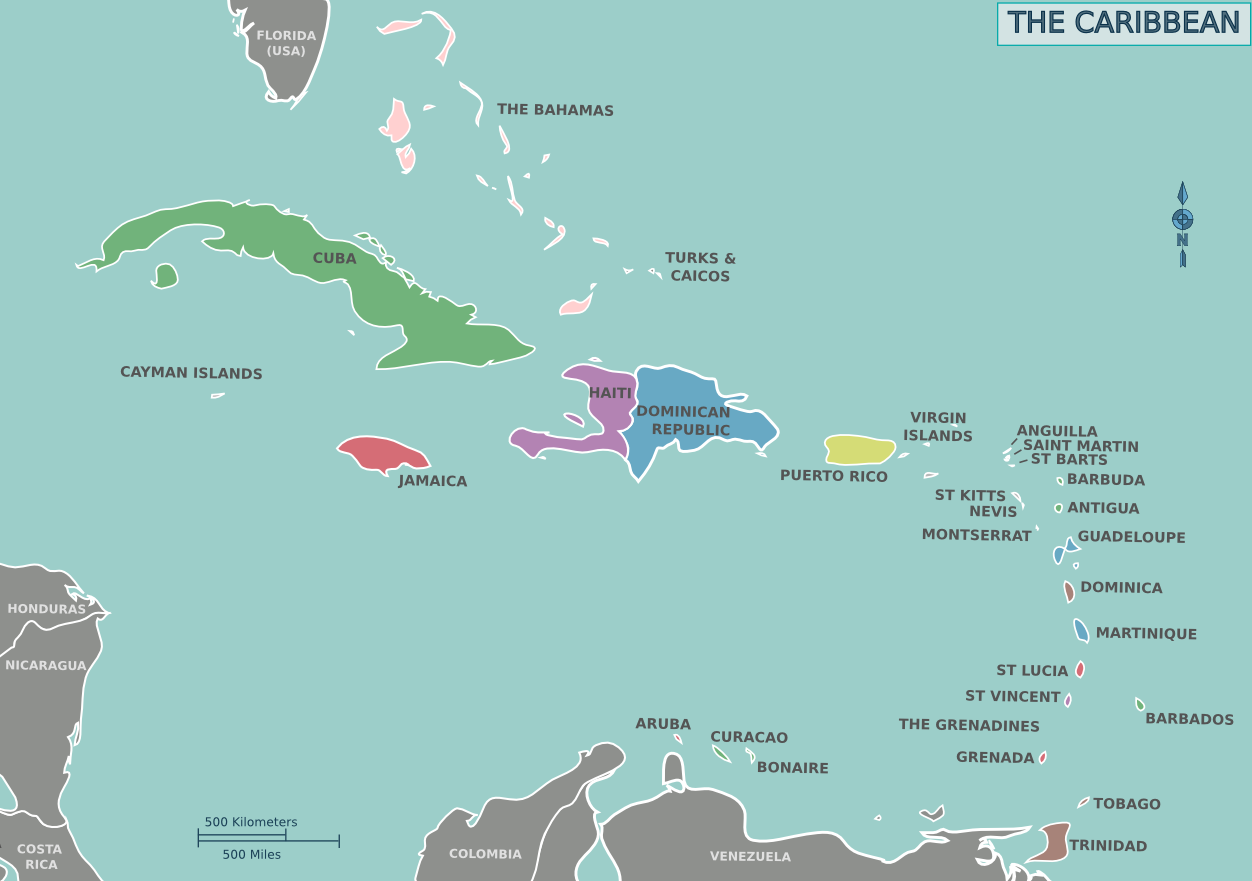
The Cayman Islands is one of the world’s leading offshore financial centres, and it has become a highly popular jurisdiction for lawyers looking for a change of pace and scenery from city-life.
Legal roles in the Cayman Islands offer competitive compensation, no income tax, and strong career progression across practice areas including investment funds, corporate law, and dispute resolution.
If you're exploring legal opportunities in the Cayman Islands in 2026, this guide will provide you with a foundation of knowledge to support your search, including what sets Cayman apart, work permit requirements, practice areas, salaries and long-term career prospects. For a broader comparison of offshore markets, see our complete guide to offshore legal careers across all jurisdictions.
The legal market in the Cayman Islands continues to expand, driven by evolving offshore investment fund and corporate structures, a robust legal and regulatory framework, and the rise of digital assets. Demand for top-tier legal expertise is constantly growing in funds, corporate, finance regulatory, fintech, insurance and private client.
Navigating this market successfully often benefits from working with agencies such as The Agency Legal Talent who have on-the-ground expertise in the Cayman Islands legal market and established relationships with leading offshore firms.
One of the biggest draws for lawyers relocating to the Cayman Islands is the absence of personal income tax. While the cost of living is slightly higher than in most onshore jurisdictions, this is typically outweighed by the higher salaries and zero tax, allowing lawyers to build savings while maintaining an excellent quality of life.
Salaries vary by firm, practice area, and experience level. As a guide, associates (5PQE+) in the Cayman Islands typically earn between US$180,000–$210,000, with senior associates earning US$200,000–$275,000, alongside comprehensive health insurance and relocation support. Paralegals and legal secretaries can expect starting salaries of around US$75,000, with Senior Paralegals earning up to US$140,000.
In addition to the financial incentives, lawyers enjoy stunning award-winning beaches and a tropical climate, shorter commute times, and often more time outside of work to enjoy personal/family time.
While the legal work remains intellectually demanding, Cayman offers a more relaxed, sociable and active lifestyle outside the office than many major financial centres such as London, New York or Hong Kong. Our living in the Cayman Islands guide covers everything from weather and travel connectivity to practical considerations when relocating, while our guide to things to do in the Cayman Islands explores activities, clubs and life outside the office.

To practice law in the Cayman Islands, lawyers must be from eligible Commonwealth jurisdictions to be automatically suitable for admission as an Attorney-at-Law once they have five years’ post-qualification experience (as of 1st January 2026), employment secured and a work permit approved. The Cayman Islands does not have a local bar exam, but you must be eligible for admission to the Cayman Islands Bar.
Eligible jurisdictions include:
When considering legal careers in the Cayman Islands, professionals specialise in various practice areas, including:
With a strong financial sector, there is usually strong demand for corporate lawyers to handle complex offshore aspects of M&A transactions. The Cayman Islands has sophisticated regulatory frameworks and structuring flexibility, meaning it is an attractive jurisdiction for M&A structuring with deals flowing from all across the globe. Cayman entities, principally the exempted company, exempted limited partnership, and LLC, remain a preferred vehicle for structuring cross-border deals. Private equity firms continue to lead take-private transactions, and recent legislative changes, including a simplified, court-free process for reducing share capital, have further cut deal friction and timelines. This constant deal flow keeps demand for experienced corporate lawyers consistently strong.
Investment Funds are the bread and butter of the Cayman Islands' financial services sector. Fund registrations passed 31,000 in 2026, comprising over 18,000 private funds and 13,000 mutual funds (the category that includes most hedge funds), with the sector overseeing an estimated $9.1 trillion in net assets under management. Funds lawyers are always in demand to service this constant flow of work. The Cayman Islands is regarded by many US and Asian fund managers as the market standard domicile, and remains the world's dominant offshore funds jurisdiction with more than twice as many funds as its nearest competitor, Luxembourg. The jurisdiction offers a strong legal and regulatory framework, tax neutrality, structuring flexibility, and an abundance of talented and experienced funds lawyers on the ground to advise their clients.
Legal professionals specialising in dispute resolution, commercial litigation, and arbitration are continuously in high demand. The nature of the work is almost always cross-border, high-value and complex. There is no distinction between solicitors and barristers in the Cayman Islands, so lawyers who traditionally work as solicitors could find themselves expanding their experience and gaining experience that otherwise would not be possible in their home jurisdiction. For more detailed information on how a move offshore to the Cayman Islands could accelerate a dispute resolution career, read our full guide.
The Cayman Islands also has a strong trusts and private wealth market. The jurisdiction has modern and robust trust laws, an experienced and independent court system, and strict privacy laws that comply with global standards for money laundering and tax transparency.
Cayman Islands entities are widely used not only in funds and M&A, but also in banking and finance transactions, including fund financing, syndicated loans, securitizations, CLOs, note issuances, project finance, and structured products. These entities are versatile across a range of financing structures and are globally recognised and accepted by international banks, investors, and rating agencies. Given the high deal flow through the jurisdiction, demand for finance lawyers remains consistently strong.
Financial regulation and compliance law has been a rapidly growing practice area in the Cayman Islands over the last 10 years. The regulatory framework is robust and constantly evolving to meet global demands. Regulatory lawyers often find themselves working with clients in New York, London, Hong Kong and Singapore, providing complex advice to operate within the Cayman Island's regulatory framework.
Digital assets have become one of the fastest-growing practice areas in the Cayman Islands, driven by an early and proactive regulatory approach. The Virtual Asset (Service Providers) Act made Cayman one of the first offshore jurisdictions to introduce a dedicated framework aligned with FATF standards, attracting crypto funds, DAOs, custodians, and trading platforms. Phase 2 of the regime took effect in April 2025, adding licensing requirements for virtual asset custodians and trading platforms, and CIMA had 19 registered VASPs as of early 2026. Lawyers in this space advise on licensing, regulatory compliance, and structuring at the intersection of blockchain and financial regulation.
The Cayman Islands is a leading global domicile for captive insurance and reinsurance. As of mid-2026, the jurisdiction was home to 721 licensed Class B, C, and D insurance companies, collectively writing around US$61 billion in premiums and holding roughly US$190 billion in assets, with premium volume up 24% in 2025 alone. Continued licensing activity and growing demand for single-parent captives, segregated portfolio companies, and reinsurance structures keep insurance lawyers consistently in demand in the jurisdiction.
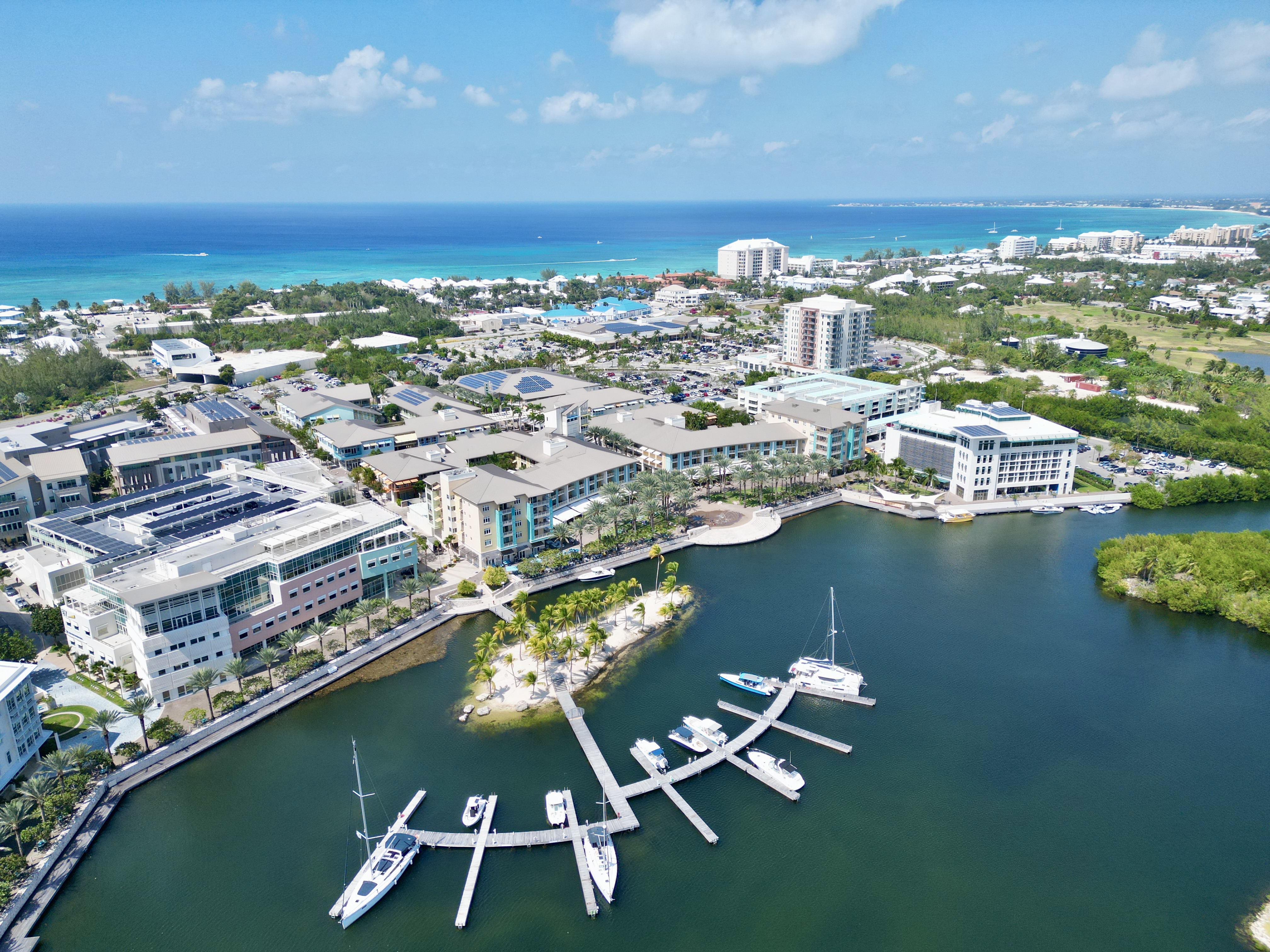
To work as a lawyer in the Cayman Islands, a work permit application must be approved by Workforce Opportunities and Residency Cayman (WORC). Only an employer can apply for your work permit, meaning you must secure a job offer first. A spouse and/or children can be registered as a dependent on your permit and can relocate with you.
Work permit applications typically take two weeks to process if submitted via the ‘Express’ route, meaning relocation can be relatively swift. However, law firms are mindful of candidates’ notice periods and life circumstances, and are often prepared for commencement lead-times of three to six months from when an offer is made.
For up-to-date information on Cayman Islands legal work permits, check the official government website.
--------------------------------------
Whether you’re ready to apply or just exploring your options, browse the latest opportunities on our legal job search page or connect with us for a confidential consultation.